By Carlos Ocampo | MakeWineLab
When most people think about homemade wine, they picture strawberries, apples, or grapes. Those are excellent starting points -- but they are just the beginning. After years of fermenting everything I could get my hands on, I have discovered that some of the most rewarding batches I have ever made came from ingredients nobody else was putting in a carboy.
Dandelions from the backyard. Olive brine. Dried hibiscus flowers from the tea aisle. These are not gimmick wines. They are wines that genuinely surprise people at the table -- wines with flavor profiles you cannot find at any store, wines that spark real conversations.
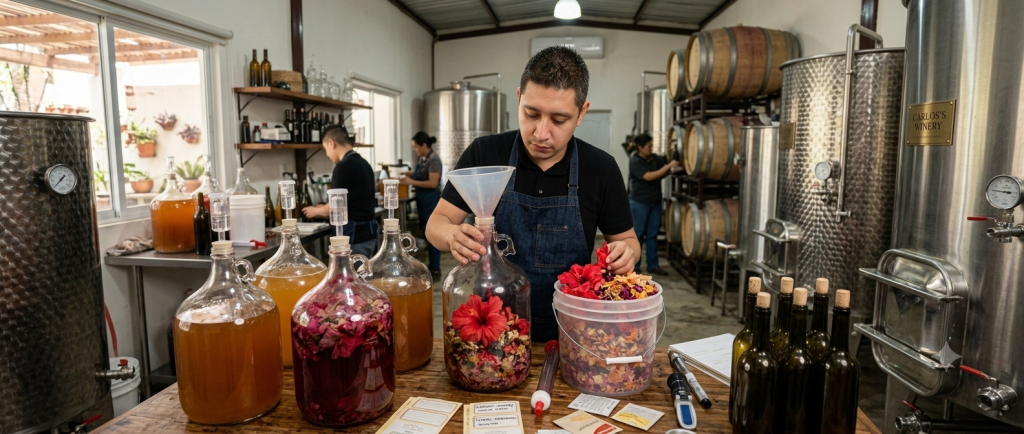
This hub is where I collect everything that does not fit neatly into standard fruit wine or mulled wine territory. Floral wines, herbal wines, savory wines, botanical blends, and a few outright experiments. If you are ready to move beyond the obvious and ferment something genuinely unusual, you are in the right place.
I am Carlos Ocampo, and I have been making specialty wines at home for over a decade. Some of these batches have been my proudest work. A few have been my most educational failures. All of them have taught me something about fermentation and about the surprising range of ingredients that can be coaxed into producing a drinkable, and often delicious, wine. Use this guide to find the recipe that matches whatever unusual ingredient you have in mind.
What Is a Specialty Wine?
A specialty wine -- sometimes called a country wine or folk wine -- is any fermented beverage made from ingredients other than standard wine grapes or common fruit. The category is wide on purpose. It covers flowers like elderflower and hibiscus, herbs and botanicals like dandelion, savory ingredients like olives, and novelty bases from candy to cereal.
What these wines share is a common challenge: most specialty ingredients carry little or no natural fermentable sugar. Unlike a ripe peach or a handful of strawberries, which are dense with simple sugars, a fistful of dandelion petals or a cup of dried hibiscus flowers contains almost nothing for yeast to eat. That means you are building the fermentable base yourself -- usually by adding sugar, honey, or a combination of both -- and using the specialty ingredient primarily as a source of flavor, color, and aroma.
This approach gives you more control over the final alcohol content and body of the wine than you typically get with straight fruit wines. It also means more variables to manage and more room for unexpected results. Specialty winemaking rewards careful measurement, good notes, and a willingness to be patient while the wine develops.
The recipes in this collection are tested and documented. Where I have encountered specific problems with an ingredient -- poor clarity, slow fermentation, off-flavors during aging -- I have noted what caused the issue and how to avoid it.
Browse by Category
Floral and Herbal Wines
Flowers and herbs produce wines with delicate, complex aromas that are completely unlike anything from a commercial winery. They tend to be lighter-bodied, often pale or brilliantly colored, and are generally best enjoyed young -- within one to two years of bottling. These are some of the most impressive wines to serve to guests who are skeptical about homemade wine.
- Dandelion Wine Recipe -- A spring tradition in many winemaking households. Dandelion petals produce a golden, honey-like wine with subtle complexity and a clean floral finish. The key is harvesting petals in peak bloom, before the flowers begin to seed, and removing all green parts -- the calyx adds bitterness that carries through fermentation.
- Elderflower Champagne -- Light, effervescent, and intensely floral. Elderflower champagne is one of the fastest specialty wines to make -- it is ready to drink in as little as four to six weeks -- and one of the most consistently impressive to serve. Use swing-top bottles rather than standard wine bottles, since the carbonation level can be higher than expected.
- Hibiscus Wine Recipe -- Made from dried hibiscus flowers (also sold as roselle or sorrel in some markets), this wine develops a deep, jewel-red color with a tart, cranberry-like flavor profile. It is one of the most technically consistent specialty wines on this list because you are working with a shelf-stable dried ingredient, which makes gravity and acid measurements more repeatable batch to batch.
- Sunflower Wine Recipe -- A delicate, pale gold wine made from sunflower petals. The flavor is subtle and slightly floral-nutty -- less forward than dandelion or hibiscus, but genuinely interesting when served chilled as an aperitif. This one takes patience to clear and benefits from at least three months of bottle aging.
Savory and Specialty Wines
Not every unusual wine comes from flowers. This category covers ingredients with savory, oily, or unusually complex flavor profiles -- the wines that raise the most eyebrows before the first sip and earn the most curiosity afterward.
- Olive Wine Recipe -- Olive wine is made from fermented olives, and yes, it is worth trying. The finished wine has a rich, savory character that sits somewhere between a dry white wine and an infused spirit, with a faint brininess and a long finish. This was one of the batches that genuinely surprised me -- I was not expecting it to work as well as it did.
Fun and Experimental Wines
Not every wine has to be a serious endeavor. These recipes are designed to be approachable, creative, and genuinely fun to make -- especially with newer winemakers or anyone who wants to bring something truly unexpected to a gathering.
- Dragon Blood Wine Recipe -- A bold, deep red wine made from a blend of frozen mixed berries and grape juice. The name sounds dramatic; the process is actually one of the most beginner-friendly on this list. Dragon Blood Wine was one of the first novelty wines I made, and it is still one of the most reliably popular at a table.
- Frankenberry Wine Recipe -- Inspired by the classic Franken Berry cereal, this recipe uses a blend of strawberries and other berries to produce a fun, sweet-edged wine that makes an excellent gift batch. It is more approachable than most specialty wines and a good first project for someone who wants to try something unusual without a complicated process.
- Jolly Rancher Wine Recipe -- Exactly what it sounds like: a candy-flavored wine made from Jolly Rancher sweets dissolved into a sugar base. Surprisingly drinkable, highly shareable, and a reliable conversation starter. This is the wine I recommend when someone says they want to try making wine but finds fruit wines intimidating.
What to Expect from Specialty Wine Fermentation
Specialty wines behave differently from standard fruit wines in several important ways. Understanding these differences before your first batch will save you time and frustration.
Sugar levels are almost always low. Flowers, herbs, and vegetables contain very little fermentable sugar on their own. You will typically start by making an infusion or tea from your base ingredient, then add sugar -- or honey, or fruit juice concentrate -- to hit your target starting gravity. Most specialty wines aim for a starting SG of 1.085 to 1.095, which produces a finished ABV in the 11 to 13% range. Use a hydrometer and check your starting gravity before pitching the yeast. Do not guess.
Clarity can be a challenge. Flowers and herbs often release pectin, oils, and tannins that make wine difficult to clear. Pectic enzyme added at the start of primary fermentation breaks down pectin before it sets. Bentonite or Sparkolloid fining agents added after primary fermentation handle suspended proteins and tannins. For particularly stubborn batches -- hibiscus and sunflower especially -- cold crashing in the refrigerator for a week before bottling can pull down the last remaining haze.
Fermentation may start or finish slowly. Some specialty ingredients contain natural antimicrobial compounds. Elderflowers in particular have compounds that inhibit wild yeast activity -- which is one reason to always use a pitched commercial wine yeast rather than relying on natural fermentation for any flower or herb wine. If your airlock goes quiet before you reach your target final gravity, gently warm the fermentation vessel and add a pinch of yeast nutrient. Do not add more yeast until you have confirmed the existing yeast colony is actually stuck.
The flavor evolves more than you expect. Floral wines often smell intensely of the source ingredient right after primary fermentation ends, then mellow and integrate over the following months. Many of the wines on this page taste thin and sharp at the two-month mark and genuinely excellent at six months. Resist the urge to judge a specialty wine too early.
Essential Equipment
You do not need specialized equipment to make specialty wines. The same setup that handles a standard fruit wine handles everything on this page:
- 1-gallon glass jug or 5-gallon carboy -- Glass is preferable to plastic for specialty wines. Some ingredients (hibiscus especially) can stain plastic long-term, and glass does not absorb flavor compounds that affect future batches.
- Airlock and stopper -- Standard S-shaped or three-piece airlock. No difference from fruit wine.
- Fine mesh straining bag -- Essential for filtering out flower petals, dried botanicals, and solid ingredients at the start of and after primary fermentation.
- Muslin cloth or cheesecloth -- For a second fine-straining pass on delicate floral wines before secondary.
- Hydrometer -- More critical than usual, because you are building most of the sugar yourself. Confirm your starting gravity, not just your ingredient weights.
- Pectic enzyme -- Add at the start of primary fermentation for any floral or vegetable-based wine. It prevents pectin haze that is otherwise nearly impossible to clear later.
- Wine stabilizer and fining agents -- Potassium metabisulfite, Sparkolloid, or Bentonite for clearing and stabilization before bottling.
If you are building your first winemaking kit and are not sure what to buy, the Wine Making Basics hub covers every piece of equipment you need for your first batch.
Beginner Tips for Specialty Winemaking
Start with dried hibiscus or elderflower champagne. Both are well-documented, use easy-to-source ingredients, and produce impressive results on a first attempt. Hibiscus in particular has a reliable, repeatable fermentation because dried roselle is a consistent ingredient with a predictable acid and color output. Elderflower champagne is satisfying because it is ready to drink in weeks, not months.
Keep detailed batch notes. Specialty wines are less well-documented in the winemaking community than fruit wines. Your own notes from each batch become the most valuable reference you have. Record your starting gravity, sugar additions, pH if you are measuring it, fermentation temperature, clearing timeline, and your honest assessment of the finished wine. If a batch turns out exceptional, you need to be able to repeat it.
Use a commercial wine yeast. Lalvin EC-1118 (Champagne yeast) works well for most specialty wines -- it is tolerant, vigorous, and adds very little of its own flavor. For lighter floral wines, Lalvin 71B is often a better choice because it softens harsh malic acid and helps preserve delicate aromatics rather than fermenting them away.
Be patient with clearing. Every specialty winemaker has produced a hazy bottle. Add your fining agents at the right stage, give the wine adequate time in secondary, and resist the urge to bottle at the first sign of clarity. Most specialty wines need at least three months in the bottle before they hit their peak.
Taste regularly but do not panic early. A specialty wine at the two-week mark often tastes thin, sharp, or odd. That is normal. Taste it monthly after racking and track how it develops. The transformation between month two and month five is often dramatic.
More Specialty Recipes Coming
The Specialty Wines section is one of the areas I am most actively developing on MakeWineLab. Over the coming months I will be adding tested recipes for ginger wine, tomato wine, beet wine, chili wine, and jalapeno wine -- all ingredients I have batch-tested or am currently testing in my home winery.
I am also working on more detailed guides covering the fermentation science behind high-tannin botanicals, how to handle oils and antimicrobial compounds that slow fermentation, and a general guide to building a sugar base for any unusual ingredient.
If you are looking for standard fruit wine guides while those new pages are in development, the Fruit Wine Recipes hub has 25 tested recipes covering everything from strawberry to mango.
Frequently Asked Questions
What counts as a specialty wine?
Any fermented beverage made from something other than standard wine grapes or common fruit. The category includes flowers, herbs, vegetables, nuts, botanical extracts, and novelty ingredients. The common thread is that most specialty wines require you to add most or all of the fermentable sugar yourself, since the base ingredient typically contains very little natural sugar.
Are specialty wines harder to make than fruit wines?
Somewhat. The fermentation process is the same, but specialty ingredients are less predictable than fruit. Clarity is often harder to achieve, and flavor development takes longer. That said, most of the recipes on this page are within reach of a beginner who has made one or two standard fruit wine batches first.
Can I ferment any flower or herb into wine?
Technically yes -- but not every botanical produces a wine worth drinking. Some produce persistent off-flavors. A few common garden plants are genuinely toxic. Always research any botanical before you ferment it. Well-established, safe, and enjoyable choices include dandelion petals, elderflower, hibiscus (roselle), rose petals, and sunflower petals. When in doubt, cross-reference multiple sources and start with a small one-gallon test batch.
How long does specialty wine take to make?
Primary fermentation typically takes one to two weeks. Secondary fermentation and clearing takes four to eight weeks. Most specialty wines benefit from an additional three to six months of bottle aging before they reach their best. Plan for a total timeline of four to six months from starting ingredients to a finished, enjoyable bottle.
What specialty wine should a beginner try first?
Hibiscus wine or elderflower champagne. Hibiscus wine uses a shelf-stable dried ingredient that is easy to find (most international grocery stores and many tea shops carry dried roselle), and the fermentation is consistent enough to be reliably repeatable. Elderflower champagne is the better choice if you want faster results -- it is ready to drink in four to six weeks and is among the most impressive specialty wines to share with people who are new to homemade wine.
By Carlos Ocampo -- I have been making wine at home for over a decade, starting with basic fruit wines and eventually working through every unusual ingredient I could find at the market and in the backyard. Specialty winemaking is where I have had the most creative freedom and learned the most about what fermentation can actually do. Everything on this site comes from real batches made in my home winery -- not from theory.